Buying a used car in Kenya can save you money and give you access to a great vehicle at a better price than buying new. However, one wrong decision can leave you dealing with expensive repairs, ownership disputes, hidden accident damage, or even fraud. Many buyers focus on appearance and pricing while overlooking critical warning signs that reveal whether a vehicle is a risky purchase.
Understanding these warning signs helps you avoid common used car buying mistakes in Kenya and ensures you invest in a vehicle that is reliable, safe, and legally clean. Before paying for any vehicle, watch carefully for these ten red flags.
1. The Price Looks Too Good to Be True
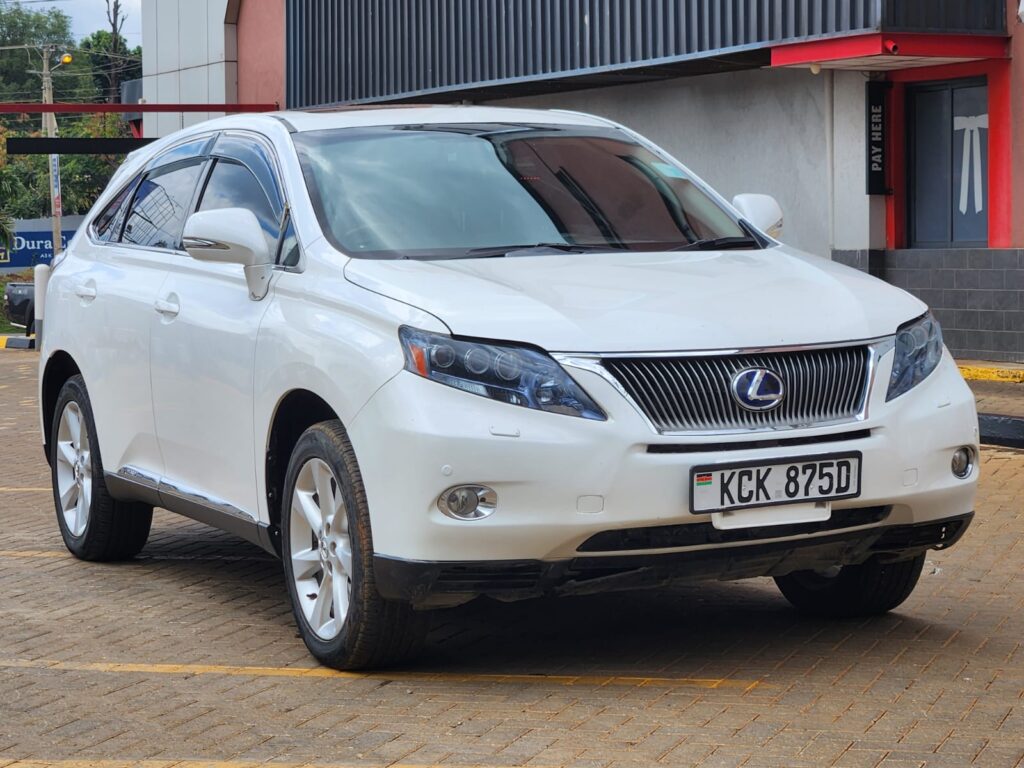
One of the biggest warning signs is unusually low pricing. If a vehicle is significantly cheaper than similar models in the market, there is often a reason behind it.
In many cases, extremely low prices can indicate:
- Hidden mechanical problems
- Outstanding loan balances
- Accident history
- Fake ownership documents
- Stolen vehicles being sold quickly
Always compare prices across multiple sellers before making any decision.
2. The Seller Refuses Independent Inspection
A legitimate seller should never object when you request a professional inspection. If a seller becomes defensive or refuses to allow your mechanic to inspect the car, consider this a major red flag.
Some sellers avoid inspections because they know the vehicle has underlying issues they do not want discovered. Never allow pressure or urgency to force your decision.
3. Mileage Appears Suspiciously Low
Mileage manipulation remains one of the most common scams in the used car market. Some sellers roll back mileage to make a vehicle appear newer and justify higher pricing.
Watch for signs such as:
- Worn steering wheel despite low mileage
- Worn pedals inconsistent with mileage shown
- Damaged seats despite low mileage reading
- Missing service history records
Always compare physical wear against dashboard mileage.
4. The Vehicle Has Poor Service History
A properly maintained vehicle should have some service records showing previous maintenance work. Missing service records often suggest poor maintenance habits or hidden problems.
Vehicles with poor maintenance history may develop expensive engine, suspension, or transmission problems shortly after purchase.
Ask for servicing documentation whenever available.

5. Uneven Paint or Poor Body Alignment
Exterior condition tells a lot about the vehicle’s past. Uneven paint shades, visible repainting, and inconsistent body panel alignment often indicate previous accident repairs.
Check carefully for:
- Different paint colors between panels
- Large panel gaps around doors
- Poor welding marks
- Misaligned bonnet or boot
Structural damage from previous accidents can create long-term problems later.
6. Strange Engine Noises During Inspection
The engine is one of the most expensive vehicle components to repair. Strange sounds should never be ignored.
Pay attention to:
- Knocking noises
- Engine vibration while idling
- Excessive exhaust smoke
- Oil leaks around engine block
- Engine overheating signs
If the engine sounds unhealthy, do not assume minor repairs will solve the problem.

7. Warning Lights Stay On
Dashboard warning lights are designed to alert drivers about system problems. Some sellers hope buyers ignore these warnings during inspection.
Be cautious if warning lights remain active for:
- Engine system
- ABS braking system
- Airbag system
- Transmission faults
- Battery charging problems
Never buy a car without understanding why warning lights are active.
8. Ownership Documents Don’t Match
A vehicle may be mechanically sound but still carry serious legal risks if ownership records are inconsistent.
Always verify:
- Original logbook authenticity
- Seller identification documents
- Chassis number matching documents
- Engine number verification
- Ownership through NTSA TIMS Portal
Any inconsistency should stop the transaction immediately.
9. Seller Pushes for Immediate Payment
Scammers often create pressure to force fast decisions before buyers complete proper inspection or ownership verification.
Be cautious if the seller says things like:
- “Another buyer is paying today.”
- “You must pay immediately.”
- “Inspection is unnecessary.”
- “We can handle paperwork later.”
Never allow urgency to replace proper due diligence.
10. The Vehicle Drives Poorly During Test Drive
A test drive often reveals problems hidden during visual inspection. Never purchase a vehicle without driving it first.
Watch carefully for:
- Steering wheel vibration
- Poor braking response
- Delayed gear shifting
- Suspension noises over bumps
- Vehicle pulling to one side
- Excessive engine vibration
If the vehicle feels unstable, investigate further before buying.

Common Used Car Buying Mistakes in Kenya
Many buyers lose money simply because they rush the buying process. The most common mistakes include:
- Buying without inspection
- Failing to verify ownership documents
- Trusting verbal promises from sellers
- Ignoring suspiciously low pricing
- Skipping test drives
- Paying before transfer confirmation
- Buying from unknown or unverified sellers
Avoiding these mistakes protects both your money and long-term peace of mind.
Why Buy From Auspat Motors
At Auspat Motors, every vehicle undergoes a strict verification and quality inspection process before reaching our customers. We check ownership records, inspect mechanical condition, verify mileage authenticity, and ensure every vehicle meets quality standards before sale.
Our goal is to remove uncertainty from the used car buying process and help buyers purchase vehicles with confidence, trust, and full transparency.
Frequently Asked Questions
1. What are the biggest used car buying mistakes in Kenya?
Skipping inspection, ignoring ownership verification, and rushing payment decisions.
2. Can mileage be manipulated in used cars?
Yes. Mileage rollback remains a common issue in the used vehicle market.
3. Why should I test drive before buying?
A test drive helps identify hidden mechanical, suspension, and transmission problems.

4. How do I verify ownership legally?
Use the official NTSA TIMS portal before making payment.
5. Should I avoid very cheap used cars?
Yes. Extremely low prices often hide serious problems.
6. Why is service history important?
It shows how well the vehicle has been maintained over time.
7. What if the seller refuses inspection?
Consider that a major warning sign and avoid the transaction.
8. Can accident repairs affect vehicle safety?
Yes. Poor repairs may affect structural strength and long-term reliability.
9. What documents should I verify?
Logbook, seller ID, chassis number, engine number, and transfer records.
10. Why choose Auspat Motors?
Because every vehicle is carefully inspected, verified, and sold transparently.