Buying a used car in Kenya can be one of the smartest financial decisions you make, but only when you understand exactly what to look for before making a purchase. Unlike buying a brand-new car, purchasing a used vehicle requires careful inspection, ownership verification, and understanding the legal transfer process to avoid costly mistakes. Many buyers rush into deals because of attractive pricing, only to discover hidden mechanical issues, mileage tampering, or legal ownership disputes later.
This guide walks you through everything you need to know when buying a used car in Kenya so you can make a safe and informed decision while protecting your investment.
Why Buy Used Instead of New
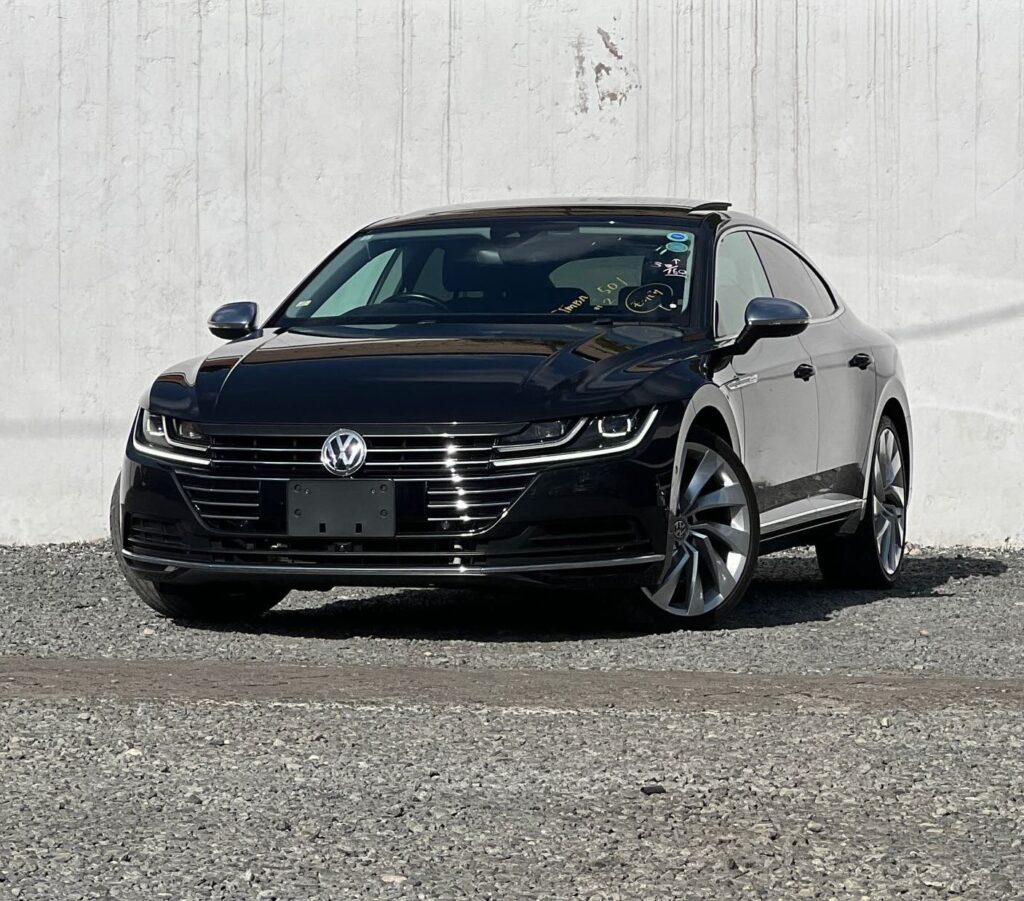
One of the biggest reasons many Kenyans choose used cars is affordability. A brand-new vehicle begins losing value immediately after purchase, while a quality used vehicle often provides better value for money with a significantly lower upfront cost.
Used cars also offer lower insurance costs, reduced depreciation, and allow buyers to access better vehicle models at a more affordable price compared to purchasing new vehicles. Instead of stretching your budget on a new vehicle, buying used allows you to maximize value while still getting reliable transportation.
For first-time buyers especially, the used car market in Kenya offers access to a wide range of vehicles suitable for family use, business operations, and personal transportation.
Budget Planning
Before starting your vehicle search, define a realistic budget beyond just the purchase price. Many buyers focus entirely on the listed price and forget the additional costs involved in vehicle ownership.
Your budget should include:
- Vehicle purchase price
- Insurance costs
- Transfer fees through NTSA TIMS Portal
- Initial servicing and maintenance
- Fuel consumption estimates
- Spare parts availability
- Annual inspection or repair costs
Planning properly helps prevent financial pressure after purchase and ensures the car remains affordable long after buying it.

Vehicle Inspection Checklist
A vehicle may look perfect externally while hiding expensive mechanical problems underneath. A proper inspection helps protect you from buying a car that will become a financial burden shortly after purchase.
Always inspect the following:
- Engine condition and unusual noises
- Oil leaks underneath the vehicle
- Transmission performance during gear changes
- Suspension system and shock absorbers
- Tire wear patterns
- Brake responsiveness
- Chassis condition and accident repair signs
- Dashboard warning lights
- Air conditioning functionality
- Mileage consistency
If possible, always work with a qualified mechanic before making final payment.
Ownership Verification
Ownership verification is one of the most critical steps when buying a used car in Kenya. Unfortunately, some vehicles in the market have outstanding loans, fake logbooks, or ownership disputes.
Before purchasing:
- Verify ownership through the NTSA TIMS Portal
- Confirm the seller’s identification documents
- Check whether the chassis number matches registration documents
- Confirm the engine number is correct
- Review service history records where available
Skipping this process can result in legal disputes or financial losses after purchase.
Common Scams to Avoid
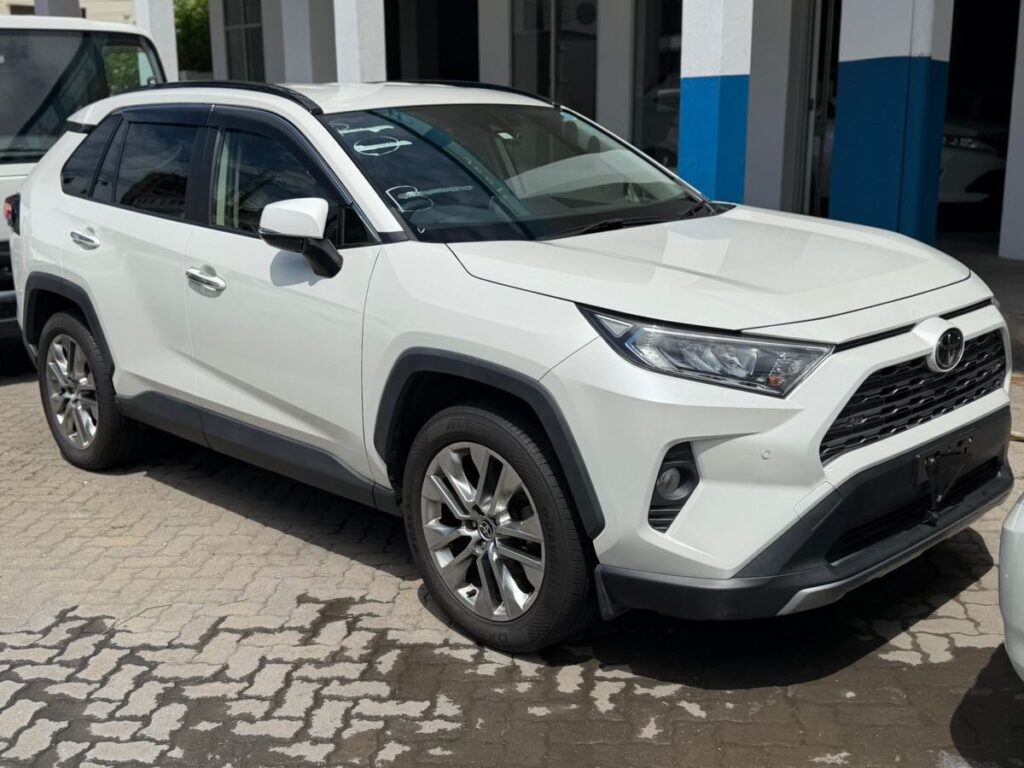
The used car market in Kenya can sometimes expose buyers to dishonest sellers. Understanding common scams helps protect your money.
Watch out for:
- Rolled-back mileage manipulation
- Fake logbooks and duplicate registration documents
- Vehicles sold with outstanding loans
- Cars with hidden accident damage
- Unrealistically low pricing designed to rush buyers
- Sellers refusing independent inspections
- Pressure to make immediate cash payments
Never allow urgency to force your decision. A legitimate seller should always allow verification.
Financing Options
Not every buyer pays cash when purchasing a vehicle. Fortunately, several financing options exist in Kenya for used car buyers.
Popular financing options include:
- Bank asset financing programs through institutions like KCB Bank Kenya and Equity Bank Kenya
- SACCO vehicle financing programs
- Dealer financing programs
- Hire purchase agreements
- Personal loans
Before choosing financing, compare interest rates carefully and ensure monthly repayments fit your long-term budget comfortably.
Transfer Process
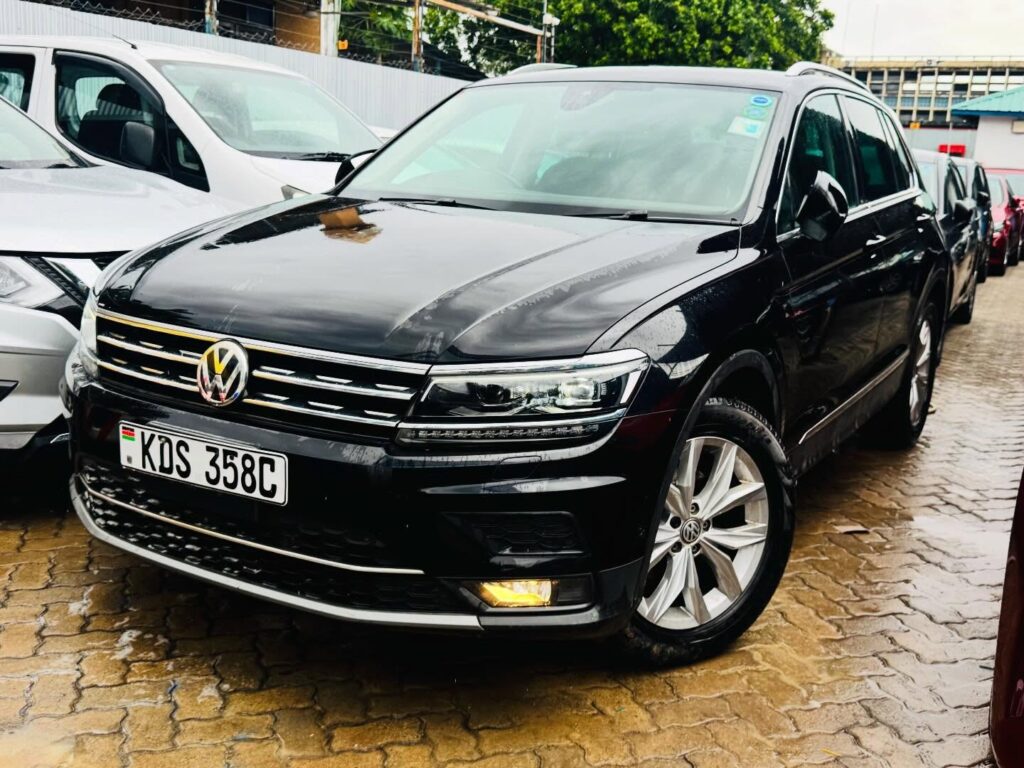
Once payment is completed, the legal ownership transfer process begins. Vehicle ownership transfer in Kenya is handled digitally through the NTSA system.
The standard process includes:
- Seller initiates transfer request on TIMS
- Buyer accepts transfer request online
- Payment of government transfer fees
- Verification of both buyer and seller information
- Completion of digital ownership transfer
- New logbook issued under buyer’s name
Always confirm ownership transfer is fully completed before taking final possession of the vehicle.
Why Buy from Auspat Motors
Choosing the right dealership can save you from many risks associated with the used car market. At Auspat Motors, every vehicle undergoes a strict verification and quality inspection process before being listed for sale.
Our team focuses on transparency, genuine vehicle history checks, accurate mileage verification, and helping customers make confident purchasing decisions. We believe buying a car should feel exciting, not stressful.
When you buy from Auspat Motors, you avoid hidden problems, questionable paperwork, and unnecessary middlemen. Instead, you receive professional guidance and access to carefully vetted vehicles you can trust.
Frequently Asked Questions
1. Is buying a used car in Kenya a good option?
Yes. Used cars offer better affordability, lower depreciation, and greater value compared to brand-new vehicles.
2. How can I verify car ownership in Kenya?
You can verify ownership using the official NTSA TIMS portal before completing any payment.
3. Should I inspect a used car before buying?
Yes. Always inspect the engine, suspension, brakes, mileage, and service history.
4. What is the safest way to buy a used car?
Buy from trusted dealerships that provide transparent records and allow independent inspections.
5. What documents should I check before buying?
Check the logbook, seller ID, chassis number, engine number, and service records.
6. Can I finance a used car purchase in Kenya?
Yes. Banks, SACCOs, and some dealerships offer vehicle financing options.
7. How long does vehicle ownership transfer take?
It depends on NTSA processing, but digital transfer often happens within a few days.
8. What scams are common when buying used cars?
Fake logbooks, mileage rollback, hidden accident damage, and outstanding loan disputes.
9. Why should I avoid buying from unknown sellers?
Unknown sellers may hide mechanical problems or provide incomplete ownership documentation.
10. Why choose Auspat Motors?
Because we focus on transparency, verified vehicles, quality inspections, and helping buyers purchase with confidence.